

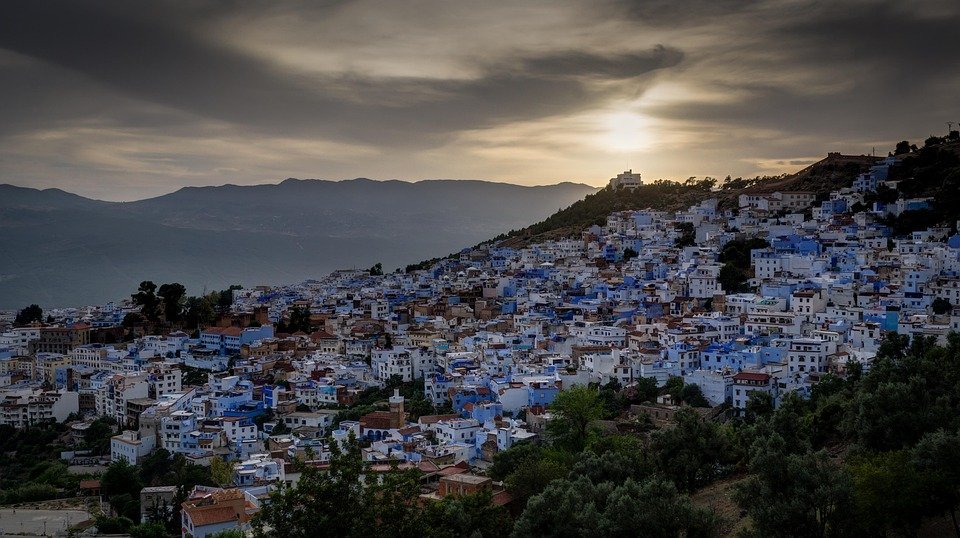
Wondering when to go to Chefchaouen without running into huge crowds or bad weather? If so, you're not alone! Planning a trip to this blue-washed gem in Morocco involves considering several factors. The ideal time to visit Chefchaouen often depends on weather conditions, your budget, local events, and what experiences you're hoping to have. Let's dive into the details to help you find your perfect travel window!
Overview of Chefchaouen’s Climate
Chefchaouen enjoys a Mediterranean climate characterized by dry and wet seasons. The summers tend to be warm and dry, while winters can be quite cool. Throughout the year, you can expect average temperatures that range from mild to hot in the summer and chilly in the winter months.
- Spring (March to May): Average temperatures between 15°C (59°F) and 25°C (77°F) make it a pleasant time to visit.
- Summer (June to August): Expect highs around 30°C (86°F) or warmer, with very little rainfall.
- Autumn (September to November): Temperatures are similar to spring, with cool mornings and warm afternoons.
- Winter (December to February): Expect cooler weather, with temperatures dropping as low as 5°C (41°F) at night.
Understanding the weather in Chefchaouen can help tailor your trip to your preferences!
Month-by-Month or Seasonal Breakdown
Spring (March to May)
- Weather: Mild and pleasant, with blooming flora.
- Events: The Chefchaouen Cultural Festival usually takes place in May, showcasing local art and traditional music.
- Pros: Mild temperatures allow for exploring the blue streets without overheating, and the landscape is stunning during this time.
- Cons: Early spring can be a bit rainy, especially in March.
- Best for: Budget travelers looking for discounts before the peak season kicks in and nature lovers wanting to see the scenery in full bloom.
Summer (June to August)
- Weather: Quite hot, with minimal rainfall.
- Events: Numerous local festivals celebrate music and culture, attracting some tourists.
- Pros: Longer daylight hours make it easier to explore.
- Cons: The heat can be oppressive, especially during midday, and the crowds can be significant.
- Best for: Beach lovers or adventurers wanting to immerse themselves in summer festivities.
Autumn (September to November)
- Weather: Perfectly moderate, with temperatures gradually cooling.
- Events: September often sees a continuation of summer festivities, and November offers peace as tourists thin out.
- Pros: Fewer crowds compared to summer, great weather, and lower accommodation prices.
- Cons: If you're looking for vibrant greenery, it begins to fade as autumn progresses.
- Best for: Photographers capturing the changing colors of the landscape and those wanting a quieter experience.
Winter (December to February)
- Weather: Cool and occasionally wet, with daytime temperatures averaging around 12°C (54°F).
- Events: While not widely celebrated, some local festivals or events can happen.
- Pros: Considerably fewer tourists offer a unique, tranquil experience among the blue buildings.
- Cons: It can get quite cold at night, and some outdoor activities may not be ideal.
- Best for: Solo travelers or couples looking for an intimate ambiance and significantly cheaper prices.
Tips Based on Travel Style
For Budget Travel
If saving a buck is essential, aim for the shoulder seasons—spring and autumn. You'll find lower accommodation prices and fewer crowds, which is ideal for exploring without breaking the bank.
For Avoiding Crowds
Visiting during the winter months or the early spring can give you a more peaceful experience. When you avoid the busy summer months, you'll find that you can explore the city's vibrant streets and sights at your own pace.
For Outdoor Activities or Cultural Events
Summer is the best time for hiking in the surrounding Rif Mountains, offering stunning views. Likewise, if you're interested in immersing yourself in cultural experiences, the spring and summer festivals are a highlight.
For Romantic or Solo Trips
Late September to early November is ideal for couples or individuals seeking a serene atmosphere. Fewer tourists mean quieter conversations in the cafes and picturesque sunsets without the crowds.
It really depends on what kind of experience you're looking for. Some travelers love the peaceful vibe of January after the holiday rush, while others aim for the cultural excitement of the May Festival.
FAQs
Is April a good time to visit Chefchaouen?
Yes! April generally offers pleasant weather and fewer crowds, making it an ideal time to explore.
When is the rainy season in Chefchaouen?
The rainy season typically runs from October to March, though it's more pronounced in November and December.
What's the cheapest time to visit Chefchaouen?
Winter, especially January and February, is the cheapest time for travel due to lower hotel rates and fewer tourists.
What's the peak season in Chefchaouen?
The peak season is usually from June to August when most tourists flock to the city, drawn by the warm weather and various events.
Planning your visit around these insights can really enhance your Chefchaouen experience. Whether you prefer a lively atmosphere with festivals, peaceful streets with fewer tourists, or finding a perfect balance in between, this unique Moroccan town has something to offer throughout the year. Enjoy your travels!